Why we publish our engines: building for AI agents, now
AI agents are becoming the dominant mode of knowledge work. Rather than wait and see, we build for them — and publish the engines, open.
Read more

Latest industry insights, regulatory updates, and professional knowledge.
Every engagement ends with a decision that someone has to defend — a number signed, a control trusted, a system built. Getting there produces more than a report: it produces an understanding of a standard, a sector or a market that is worth writing down.
Insights is where we write it down. Not opinion, and not a pitch — the plain reading of a rule, the arithmetic behind a figure, and the questions a board or an auditor will ask of it.
The same idea runs through every page of this site: knowledge becomes valuable only when it is put behind a decision. The pieces here name the standards; the industry pages show how those standards meet a sector's own assets; the service pages show how the firm puts them to work; and the open tools show the machinery doing the arithmetic.
The three practices behind the work
Read enough of it and the pattern is plain: nothing here is published to be impressive. It is published to be checked.
AI agents are becoming the dominant mode of knowledge work. Rather than wait and see, we build for them — and publish the engines, open.
Read moreA practical readiness review benchmarks existing disclosures against IFRS S1 and S2, records gaps, owners and data sources, and links sustainability evidence to financial effects.
Read moreA practical explainer on organisational carbon footprinting under the GHG Protocol: setting boundaries, understanding Scopes 1–3, and building an inventory that stands up to review.
Read moreNature-based solutions can address societal challenges while supporting well-being — but credibility depends on the IUCN Global Standard's eight criteria, not good intentions alone.
Read moreThat was the underlying message that resonated across every conversation at last week's side event, Innovation Finance for Development: Catalysing Partnerships and Capital for Sustainable Impact in As
Read moreAt Ascent Partners Foundation , we recognise that global trade, when governed responsibly, has the potential to accelerate sustainable development across regions. Beyond the exchange of goods and serv
Read moreSROI brings social outcomes into decisions alongside financial returns. Here's how to do it without over-claiming—and where it fits with IFRS S1 and S2.
Read moreBiodiversity and ecosystem services are related but distinct. Here's how to keep physical evidence visible while moving towards nature-related disclosure.
Read morePlastic accounting tracks plastic from input to leakage across your value chain. Here's how to do it credibly — and how it connects to HKFRS S1/S2 and IVS.
Read moreClimate risk is financial risk. Here's how to translate physical and transition risks into numbers using scenario analysis, IFRS S2, and IVS 104.
Read moreWater accounting starts with a boundary and a balance. Here's how operational balances, ISO 14046 footprinting and GRI 303 fit together — and why they answer different questions.
Read moreA carbon footprint is only as credible as the arithmetic behind it. Here's how scopes, emission factors, and CO2e conversion fit together in practice.
Read moreNature risk is financial risk. Here is how the TNFD LEAP approach, natural capital thinking and the Kunming-Montreal Global Biodiversity Framework fit together for reporting teams.
Read moreGRI shows your impacts on people and planet. ISSB shows sustainability risks and opportunities that affect your finances. You need both—and they're designed to work together.
Read moreA credit is a quantified mitigation outcome, not a guarantee. Here's how to check quality, registry status, and the claim it supports.
Read moreWhat the ISSB standards actually ask of you, how they line up with HKEX Appendix C2, and the practical steps finance teams can take now.
Read moreHow do you value a brand, a patent or customer relationships? Match the method to the asset's cash-flow pattern and evidence — here's how RFR, MPEEM and with-and-without work.
Read moreScorecard, Berkus and the VC method are heuristics, not accounting rules. Here's how to use them transparently—and why IFRS 13 disclosure matters.
Read moreAt an associate event of the United Nations ESCAP Asia Pacific Sustainable Development Forum 2025, we discussed how several Pacific island countries have invested a high percentage of their GDP into e
Read moreIn a recent announcement, President Donald Trump declared the imposition of tariffs on imports from Canada, Mexico, and China, set to take effect on Tuesday. As an economist who staunchly believes in
Read moreKey to hitting China’s 2060 carbon neutrality target is transforming the iron and steel sector, which emits the most carbon of China’s manufacturing sectors – and approximately 15 per cent of national
Read moreThe launch of KiudaEX Carbon Credit Exchange in Sri Lanka, in partnership with local tech startup Xeptagon, highlights the increasing global focus on addressing climate change.
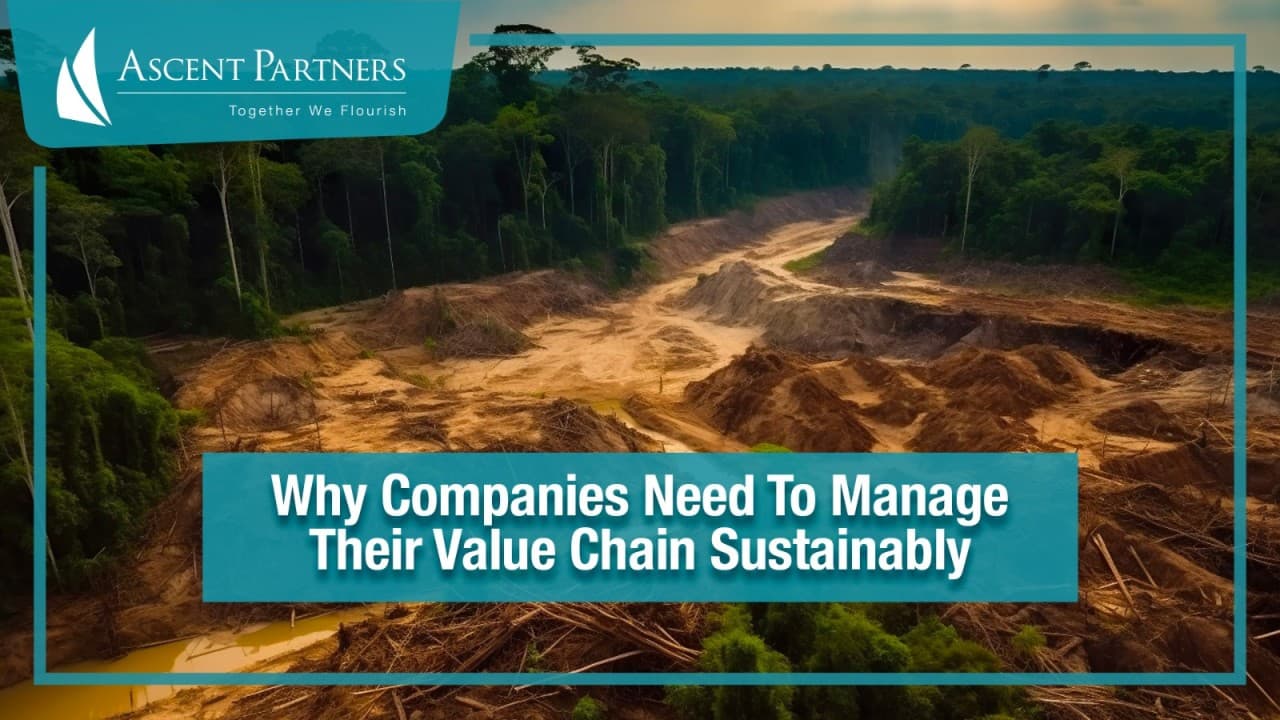
Read moreEnsuring your sustainability extends throughout your value chain is now more important than ever as investors increasingly pull investments that do not match their sustainability criteria.
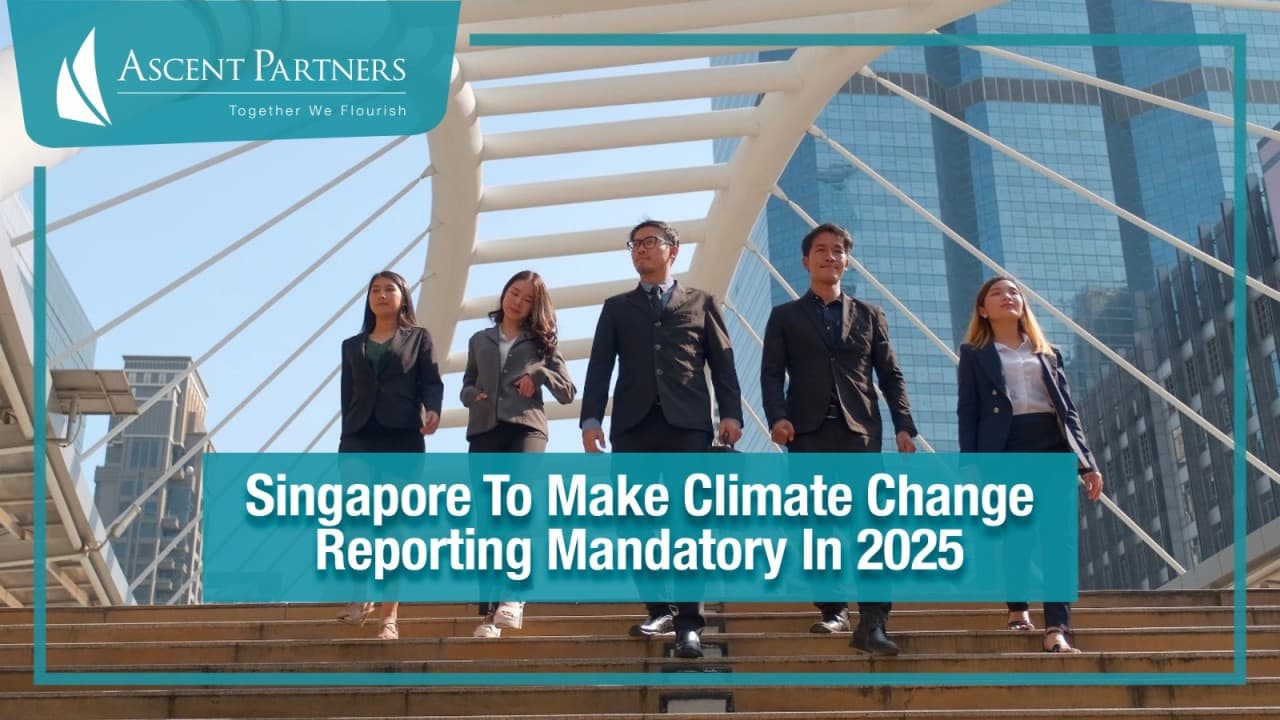
Read moreThe Singapore Parliament announced last Wednesday the implementation of mandatory climate-related reporting requirements for listed and large non-listed companies, with obligations for some to begin d
Read moreAs the devastating impact of climate change must be a top priority of policy-making agendas, all businesses and industries need innovative and proactive approaches to address the challenges posed to a
Read moreA recent report from S&P Global Ratings forecasts a moderate increase in green, social, sustainability, and sustainability-linked bonds (GSSSB) to US$ 1 trillion this year.
Read moreLast year was the planet's hottest on record by a substantial margin and likely the world's warmest in the last 100,000 years, according to the European Union's Copernicus Climate Change Service (C3S)
Read moreThe significant increase in renewable energy capacity in 2023, as reported by the International Energy Agency (IEA), indicates a promising trend towards a cleaner and more sustainable energy future.
Read morePrioritising Environmental, Social, and Governance (ESG) initiatives can indeed provide companies with a competitive advantage in today's business landscape.
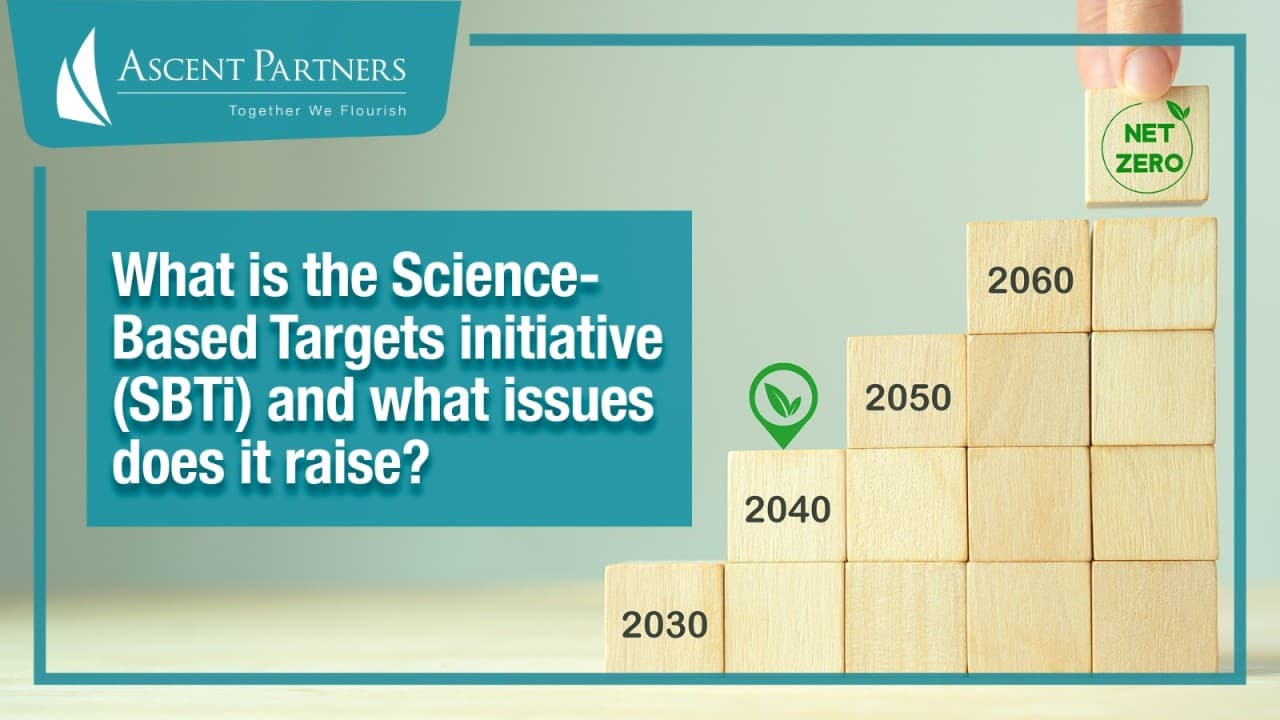
Read moreScience-based targets provide companies with a clearly-defined path to reduce emissions in line with the Paris Agreement goals.
Read moreThe country started issuing CCERs in 2012 before suddenly halting them in 2017, but recent signs point to a resumption of the scheme this year.
Read moreA new "climate transition finance" label is emerging to encompass sectors and activities that may not be able to become entirely green today but will need to improve significantly to contribute to ach
Read moreThe voluntary carbon market has grown significantly in recent years as more individuals, companies, and governments seek to reduce their carbon footprint and mitigate the impacts of climate change.
Read moreIndependent valuation informs transactions, impairment testing and IPO disclosure. This explainer outlines how purpose, basis and standards shape defensible valuations.
Read moreA professional advisory firm's own sustainability reporting imposes a discipline: define the reporting entity, test materiality, and map the value chain.
Read moreValuation supports the IPO process before and at listing. This explainer examines HKEX Chapter 5 triggers, disclosure, timing, independence and the discipline of evidence.
Read moreAn ESG report is a management document, not a marketing one. For SMEs, credibility rests on scope, indicators, data controls and traceable evidence.
Read more